Steel and Metal Roofing Repairs
Metal & Colorbond Roof Repairs Gold Coast
Metal roof leaking or showing damage? Request an assessment. Get a Free Estimate
Steel and Metal Roofing Repairs
Metal roof leaking or showing damage? Request an assessment. Get a Free Estimate
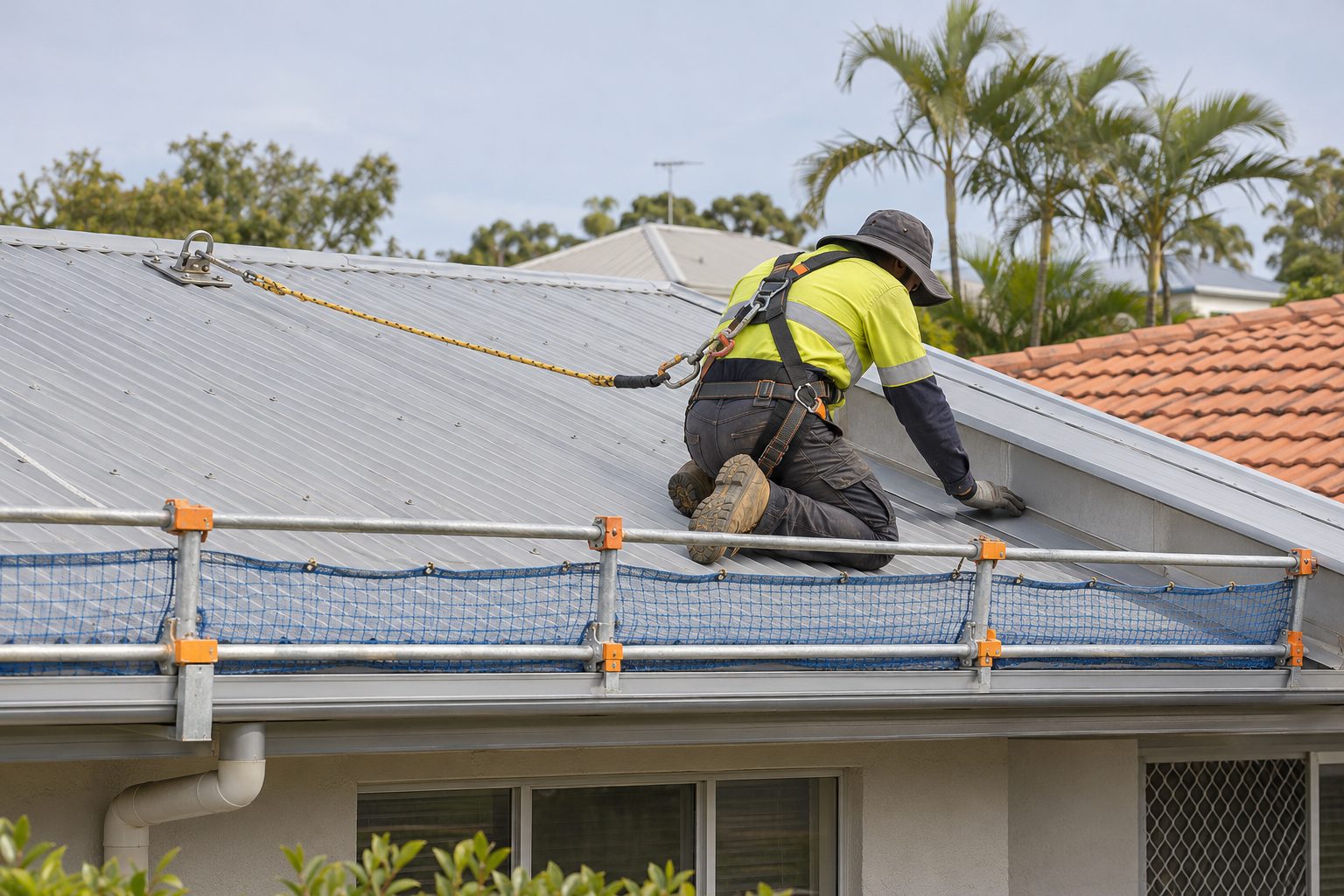
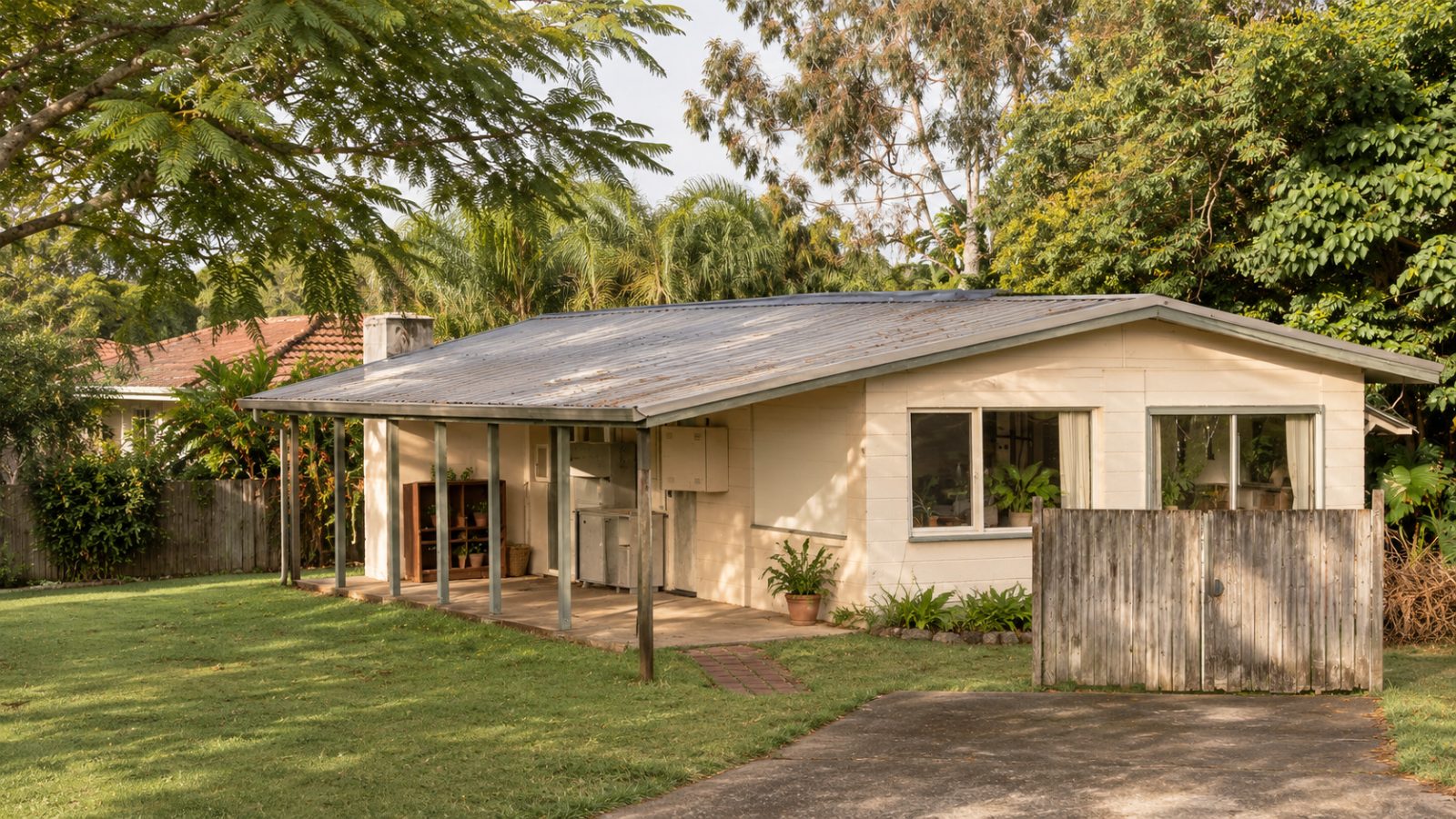
Metal roofing is used on many Gold Coast homes, extensions and commercial buildings. Its performance depends on correctly fitted sheets, suitable fasteners, compatible flashings and drainage details. When these components deteriorate or move, leaks and corrosion can develop.
Roofing Repair Gold Coast helps customers investigate metal and Colorbond roofing problems, including rusted sections, damaged sheets, loose fixings and water entry at joints. Coastal exposure, roof age and the original installation all influence what repair is appropriate.
Salt carried in the air can contribute to corrosion where roofing components are vulnerable or insufficiently maintained. The degree of exposure varies by property location, building design and surface orientation. Rust may appear around fasteners, cut sheet edges, scratches or contact points between different metals. The cause and extent of deterioration should be considered before recommending a repair.
Metal roof sheets rely on suitable fastening arrangements. Over time, movement, weathering and deterioration of washers or other components may affect water resistance. A leaking fastener does not always mean the surrounding sheet needs replacement. Equally, replacing a small number of screws may not be adequate where the underlying metal is damaged.
Thermal expansion and contraction are normal considerations for metal roofs. Poorly detailed joints or unsuitable repairs may interfere with that movement and create additional issues. Repair work should respect the roof profile, drainage direction and requirements of the existing system.
The suitability of a localised repair depends on how far deterioration has progressed. A damaged flashing or a small number of affected components may be repairable, while widespread corrosion or extensive sheet damage may require a broader approach. When replacement sheets are needed, roof profile, material compatibility, coating and fastening details should be considered together. Repairing one section should not create a new weakness in another.
Damaged sheets require assessment of the roof profile, coating condition, connections and surrounding materials. A suitable repair may involve replacing affected components rather than relying on surface sealant.
Water entry may occur around laps, penetrations, flashing joints or fasteners. The source should be investigated before deciding which components need attention.
Corrosion can range from superficial staining to substantial loss of material. Repair suitability depends on the severity and location of the deterioration.
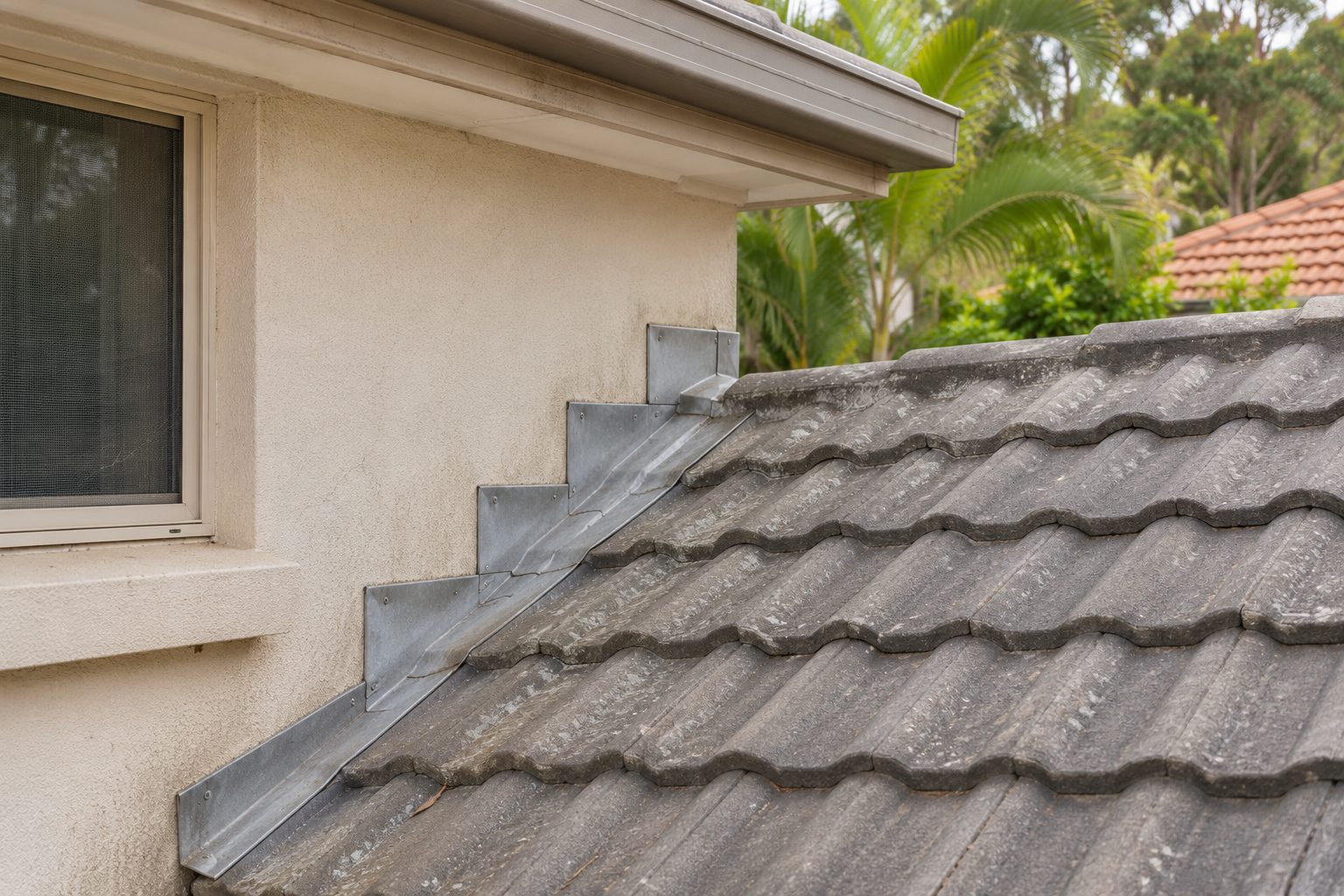
Metal flashings and cappings help protect edges, roof changes and penetrations. Poor fit or deterioration can create vulnerable points during heavy rain.
Fastener condition affects sheet security and weather resistance. Replacement choices should account for compatible materials and the existing roofing system.
Metal roofing repairs should avoid combinations of materials that can encourage corrosion.
A repair must respect the roof's intended drainage and sheet arrangement.
Coastal air, sunlight and storms can influence the condition of metal roofing components.
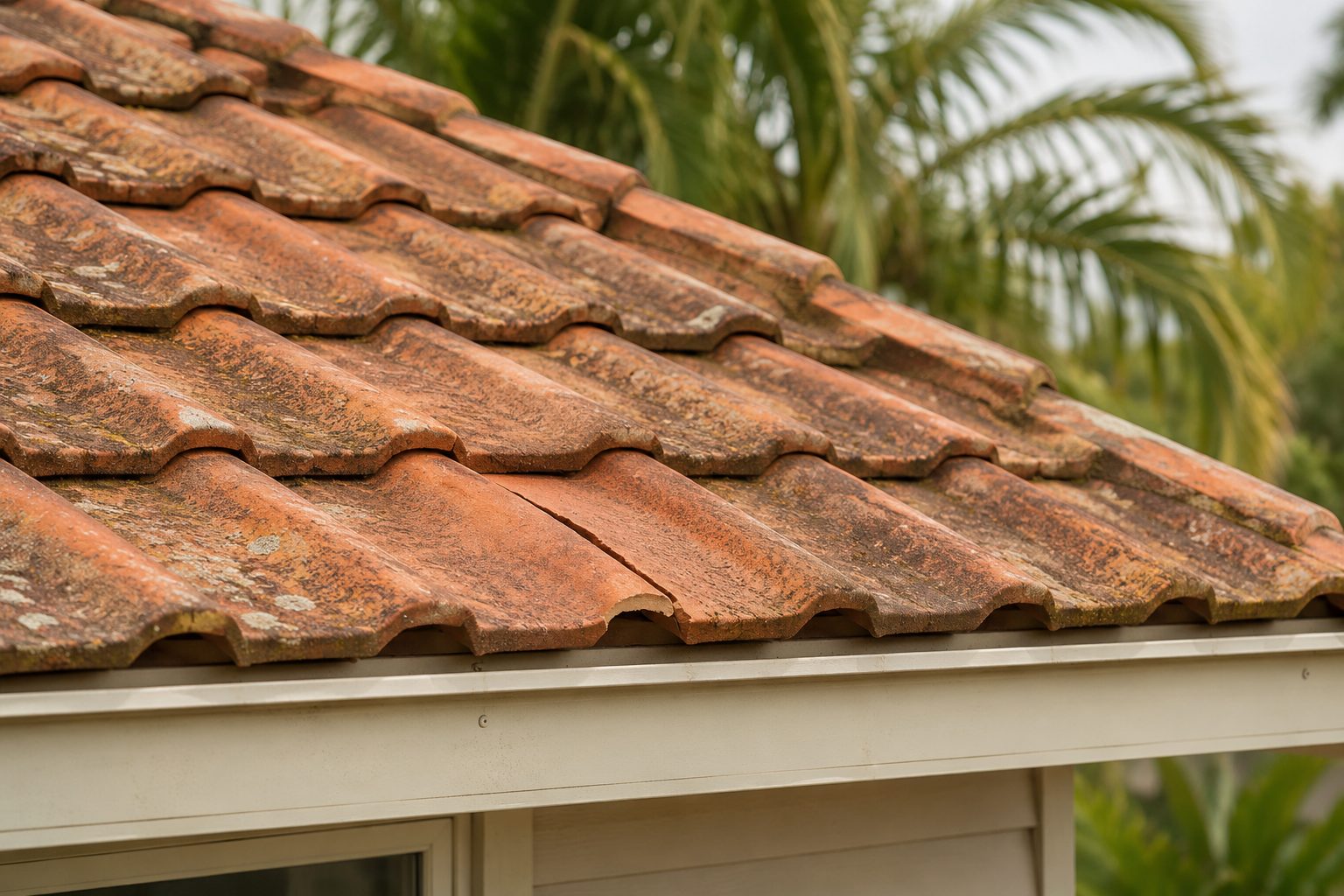
Metal roofing problems can develop around small details. Ask us about an assessment before the damage spreads.
Free — no obligations
Tell us about leaks, rust, loose roofing or damage following severe weather.
Consider the roof profile, flashings, fasteners and visible corrosion.
Identify compatible repair components and whether replacement sections are appropriate.
Explain the proposed work and any relevant limitations.
Discuss observations that may help the roof remain in better condition.