Tiled Roof Ridge Maintenance
Ridge Capping & Repointing Gold Coast
Cracked ridge pointing or loose caps? Request a roof assessment. Get a Free Estimate
Tiled Roof Ridge Maintenance
Cracked ridge pointing or loose caps? Request a roof assessment. Get a Free Estimate
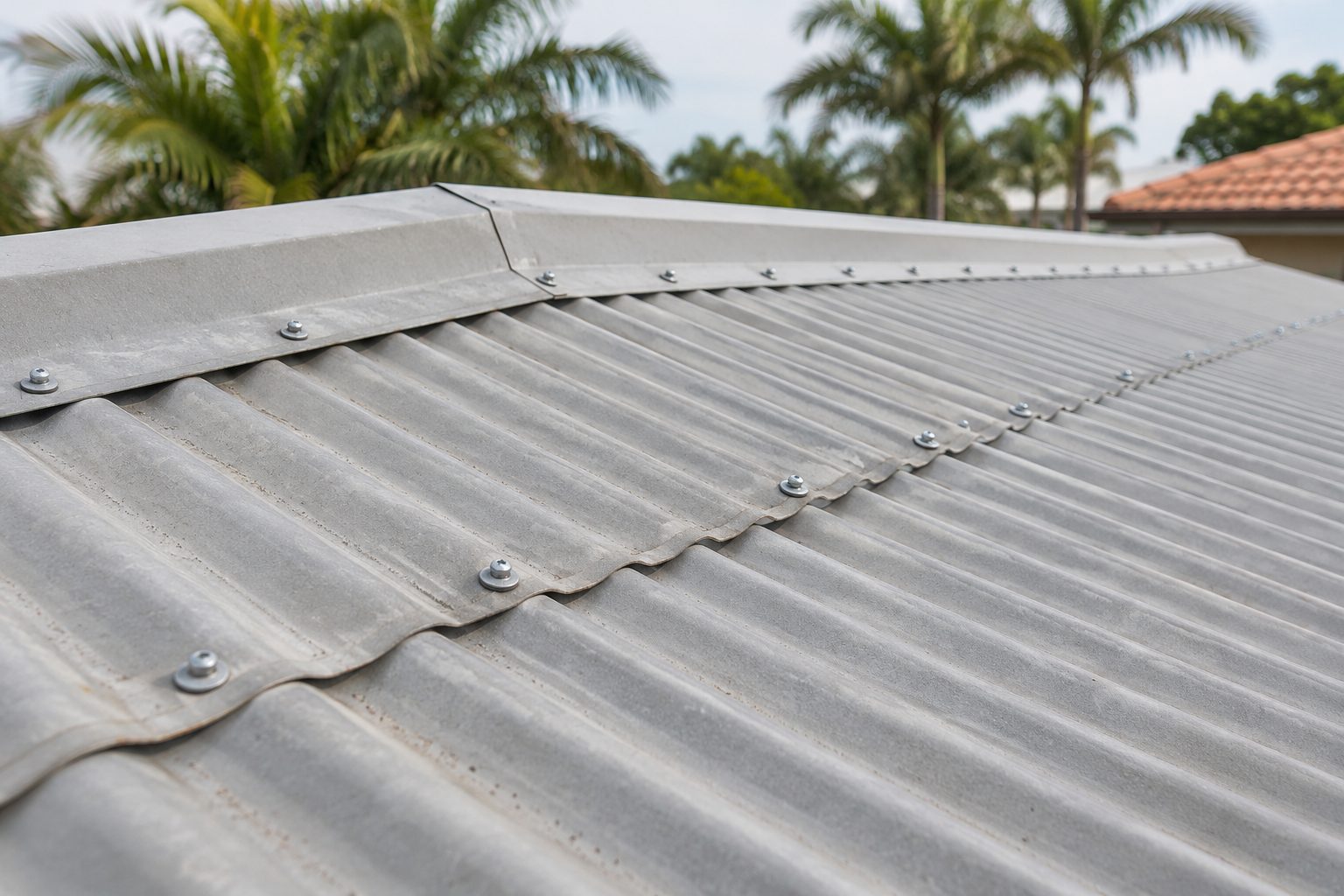
Ridge caps cover the upper joins of tiled roof sections and help protect vulnerable junctions from the weather. Their performance depends on the condition of the caps, bedding, pointing and surrounding roof materials.
Over time, traditional mortar can crack or loosen, while flexible pointing systems may deteriorate or separate. Roofing Repair Gold Coast helps customers understand when ridge capping needs attention and whether repointing, rebedding or replacement of affected components may be appropriate.
Pointing is the finishing material applied around ridge and hip caps to help protect their edges and maintain the weather-resistant junction. Its condition matters because exposed sections experience sunlight, rain and temperature changes. Where pointing has cracked or separated, the supporting bedding should also be considered. Simply applying new material over unstable sections may not address the underlying problem.
Bedding provides support and positioning for ridge caps. If it has deteriorated or become unstable, a more involved repair may be necessary before pointing can be properly restored. The appropriate method depends on the roof design, the existing materials and the condition of the individual caps.
Ridge and hip areas are exposed parts of a tiled roof. Loose or deteriorated components can become more vulnerable during strong winds and driving rain. Visible cracks do not automatically mean every ridge cap needs replacing. An assessment should establish the extent of deterioration and the work needed.
Homeowners sometimes notice mortar fragments in gutters or on the ground following windy weather. Others see visible gaps along the ridge or find new staining inside the house. These signs deserve attention, but they do not identify the complete cause without examining the roof. A ridge repair should also account for adjacent tiles and roof junctions. If those components are damaged, completing only the pointing may leave other sources of water entry unresolved.
Cracks and separation may indicate ageing pointing or movement in supporting components. The repair scope should consider whether the bedding remains stable.
Movement in ridge caps deserves attention because it can affect the roof junction. Loose components may require resetting or replacement depending on their condition.
Hip caps protect the external joins where sloping roof planes meet. Deterioration in these locations can create similar concerns to ridge damage.
Bedding that has cracked, crumbled or lost its support function may need rebuilding before new pointing is applied.
Nearby tiles, junction details and previous repairs may contribute to visible problems. Looking at the complete area supports a more suitable repair decision.
Pointing should not be treated as a cosmetic finish when the bedding beneath is unstable.
Ridges and hips face changing weather conditions and deserve careful consideration.
We aim to explain the difference between limited repointing and more extensive ridge work.
Loose ridge caps or cracked pointing can be an early warning sign. Contact us about a suitable assessment.
Free — no obligations
Describe cracked pointing, fallen mortar or loose ridge components.
Determine whether the supporting material remains suitable.
Check whether nearby materials affect the proposed work.
Explain which repair method suits the condition found.
Arrange the appropriate work subject to safe access and conditions.